Entry Requirements for Artisan In Fashion And Design
D- and below in KCSE
Duration: 12 Months
Delivery Method: Both Online & Physical
Fee Structure for Artisan In Fashion And Design
Course Fee Breakdown
Trimester 1
| Trimester 2
| Trimester 3
|
Other Mandatory Course Requirements for Artisan In Fashion And Design
The following are mandatory requirements needed upon admission:
- Photocopy of KCSE result slip or certificate or Equivalent
- Photocopy of National ID Card
- Photocopy of Birth certificate
- 6 A4 sized books
- A minimum 3 ballpoint pens
- A smart phone is greatly necessary
Course Units/Overview for Artisan In Fashion And Design
Artisan Course in Fashion and Design
|
|
| ||||||||||||||||||||||||||||||||||||||||||
Course Description for Artisan In Fashion And Design
Artisan in Fashion & Design (Artisan in Fashion and Garment Making)
The Artisan in Fashion & Design (Garment Making) is a nationally recognized artisan-level vocational qualification that trains competent garment makers, tailors and basic fashion technologists. The programme follows the KNEC (Kenya National Examinations Council) artisan framework used by leading TVET colleges in Kenya and is designed to produce skilled, job-ready practitioners capable of routine garment construction, pattern drafting, basic industrial sewing and small-business fashion operations.
Entry Requirements
Entry into the artisan programme is open and inclusive. Typical minimum entry requirements are:
- KCPE (Primary School Certificate) and above for artisan-level entry. Progression routes exist to craft and diploma levels.
Examining Body & Duration
- Examining body: KNEC (Kenya National Examinations Council) for artisan qualifications; many TVET institutions deliver the KNEC-based artisan programme.
- Typical duration: 9–12 months (one academic year) for a full artisan certificate depending on timetable (full-time, part-time or modular intake).
Course Overview / Curriculum (Syllabus-based)
The artisan programme combines practical workshop skills with essential supporting theory and entrepreneurship. Typical units (as reflected in the KNEC artisan framework and TVET college programmes) include:
- Applied Geometry & Pattern Drafting Practical (pattern cutting, block development, sizing)
- Garment Making Trade Practice & Trade Theory (construction techniques, seams, finishing)
- Mathematics for Artisan / Measurements (measurement, allowances, costing basics)
- Science / Materials & Textiles (fabric properties, selection, care)
- General Studies & Communication Skills (customer service, workplace behaviour)
- Entrepreneurship & Small Business Practice (pricing, sourcing, basic business plans)
- Information & Communication Technology (basic ICT for design and business).
Practical workshops form the bulk of training — students learn to draft patterns, cut and assemble garments, fit clients, and produce finished clothing samples suitable for market or workplace employment.
Modes of Delivery at Uwezo College
Uwezo College offers the artisan programme through flexible delivery options to suit different learners:
- Physical (Face-to-Face) — hands-on workshop practice in fully equipped sewing and pattern rooms.
- Online / Blended — theory, tutorials and revision delivered online; practical sessions scheduled on campus.
- Distance / Modular — self-paced theory modules with scheduled practical blocks and virtual tutor support.
- Part-Time (Evenings & Weekends) — designed for working learners who need practical sessions outside normal work hours.
All modes follow the same KNEC unit outcomes and include continuous assessment plus KNEC examinations.
Career Opportunities After Completion
Graduates are equipped for roles such as:
- Garment maker / Tailor (industrial & bespoke)
- Sewing machine operator / Production assistant
- Pattern cutter and alternations specialist
- Small-business fashion entrepreneur (micro-boutique)
- Quality control assistant in garment factories
- Retail and showroom sales support (fashion products)
The artisan certificate also provides an upgrade pathway to Craft Certificate → Diploma → Higher Diploma in clothing, textiles and fashion design.
Why Study Artisan in Fashion & Design at Uwezo College?
- KNEC-aligned syllabus & certification — taught to national competency standards for vocational practice.
- Hands-on workshop training with real production practice and portfolio development.
- Flexible study modes (physical, online/blended, distance, part-time) to suit learners at every stage.
- Business & entrepreneurship focus so graduates can work or start income-generating micro-enterprises.
- Pathways to higher studies — clear progression to craft and diploma programmes in fashion and textiles.
Why Uwezo College Is Exceptional
Uwezo College combines industry-standard workshops, experienced trainers, strong learner support, and practical business guidance to produce market-ready artisans. Our students graduate with a practical portfolio, customer-fitting experience, and the simple business tools needed to operate sustainably in Kenya’s fashion micro-economy.
Course Instructor(s) for Artisan In Fashion And Design
 DOREEN NASAMBU SUNGUTI
 CHUMBA K BONIFACE
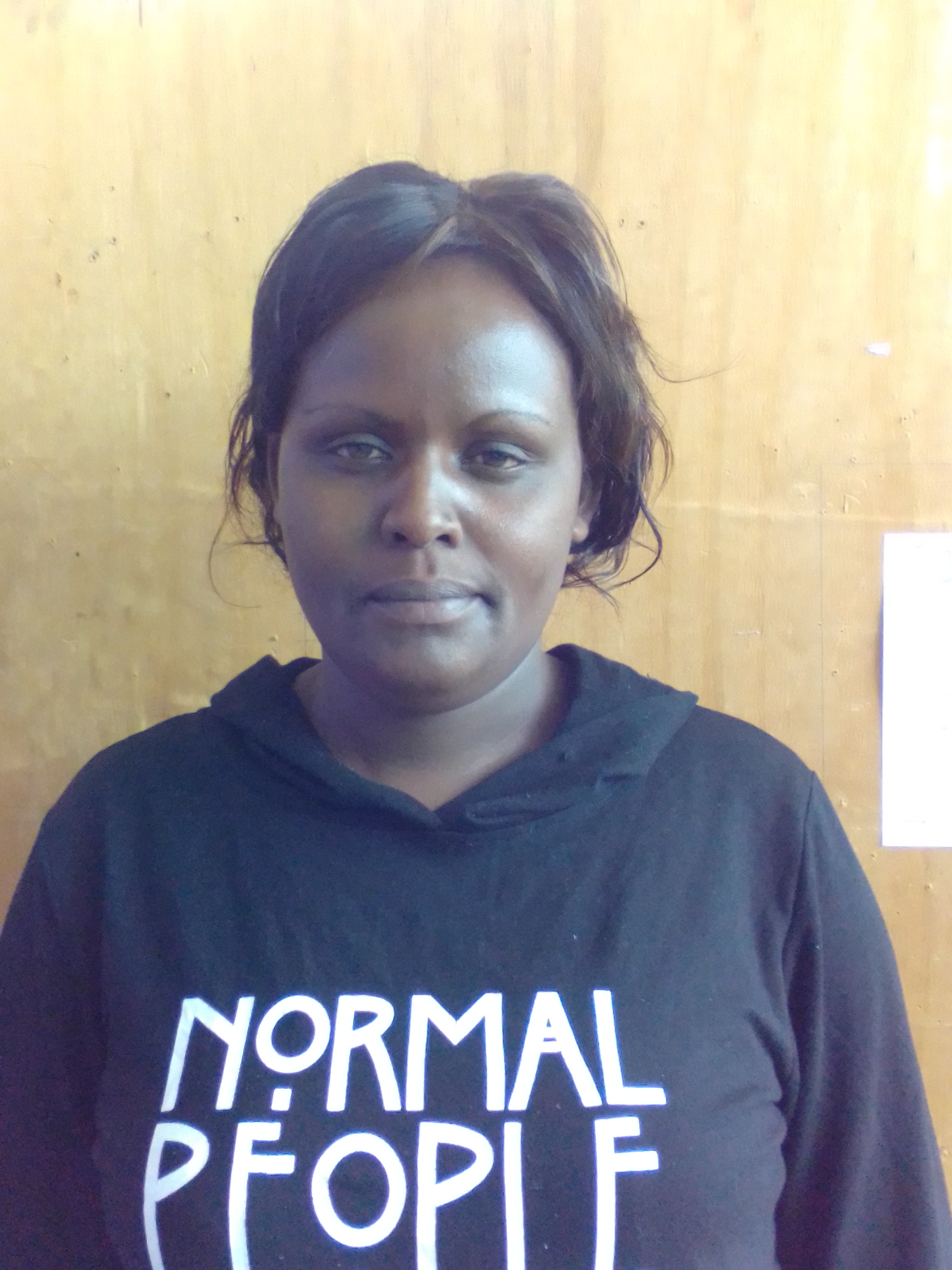 MWENDE KATUMBU ROSE
 ZIPPORAH MULELU
Examining Body for Artisan In Fashion And Design
KNEC
FAQs for Artisan In Fashion And Design
What are the requirements for registration/admission as a student?
- KCSE result slip or certificate or Equivalent
- National ID Card or Birth certificate
- 2 Passport size photographs
- Registration Fee
- Student ID Fee
- Maintenance Fee
- Material Fee(where applicable)
- Polo T-Shirt fee
- Insurance Fee
- Student's handbook fee
Course Reviews for Artisan In Fashion And Design
Top Rated Reviews
No course reviews are available at the moment. Reviews are only submitted by students persuing the course. Reviews are subject to our terms and conditions.